Dr Pania Mu
Dr Pania Mu, Research Associate, Institute of East Asian Art History, Heidelberg University focuses on the role photography played in modernising Chinese garden space and articulating design strategies.
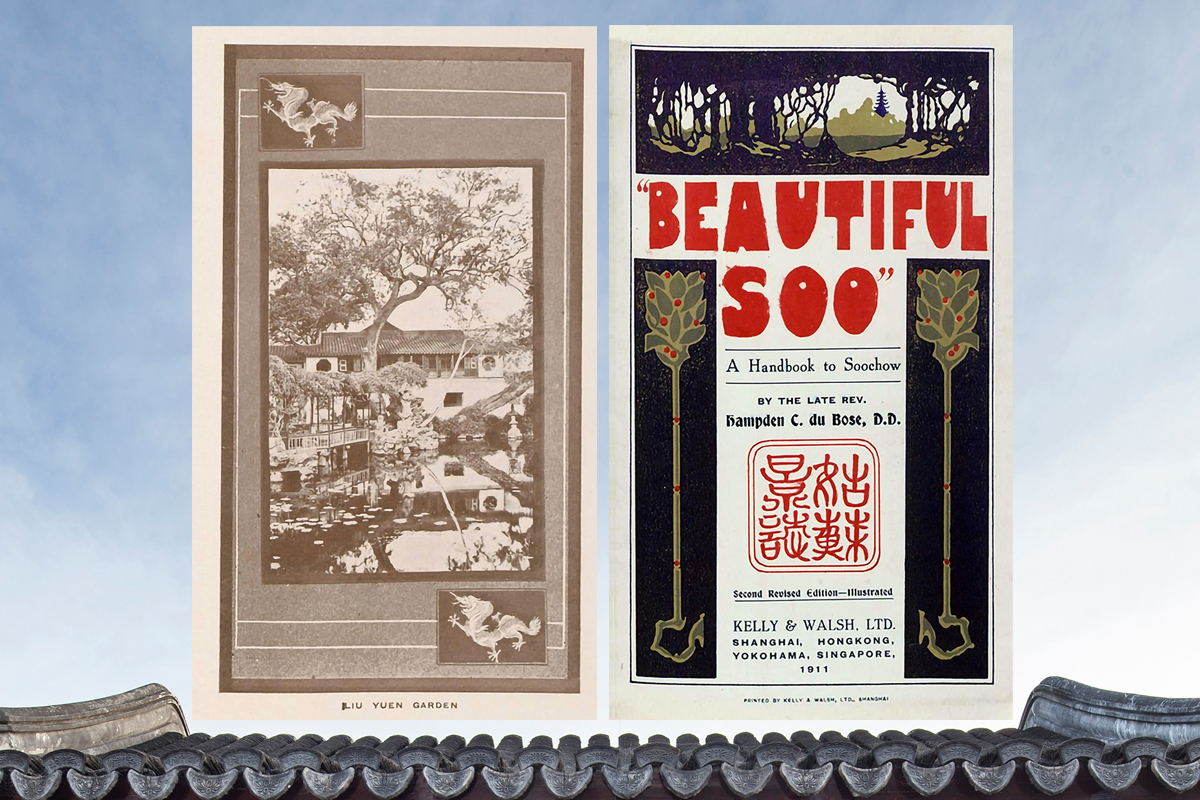
From the early 20th century onward, photography and images of Jiangnan Garden circulated in stamps, postcards, travel brochures, and magazines along the newly constructed railway networks by Germany and Japan. Chinese gardens entered global perception. Photos and writings from Florence Lee Powell, Osvald Sirén, Tong Jun, Lin Yutang, and Henry Inn were published internationally, canonising garden space as a literati tradition. The architectural surveys and drawings during the 1950s and 1960s of the Maoist period conceptualised garden design methods such as “borrowing and opposing the view”, which later informed overseas construction of Chinese gardens such as Lan Yuan in Dunedin and Garden of the Recovered Moon in eastern Berlin.
The talk concludes by opening the question of how Chinese gardens relate to Silk Roads and Eurasian studies, drawing connections between Buddhist landscape painting in Dunhuang and Chinese gardens in Germany.
Dr Pania Mu is an art and architectural historian based in Berlin, Germany. Her book From Temples to Garden Estates and Academies, published by Routledge Press in 2025, investigates the socio-hydraulic transformation of Suzhou gardens in late imperial China. Her recent research examines Dunhuang Buddhist architecture in Medieval China and the transition of Silk Roads reconfiguration. Dr Mu is visiting Dunedin on a Fellowship at Lan Yuan, sponsored by the Dunedin Chinese Gardens Trust.
5.30pm, Tuesday 8 December
Toitū Auditorium
Free
Image credit: (R) Photograph of Lingering Garden (Liu yuan) in a travel brochure sold by Shanghai Nanjing railway in the 1910s.